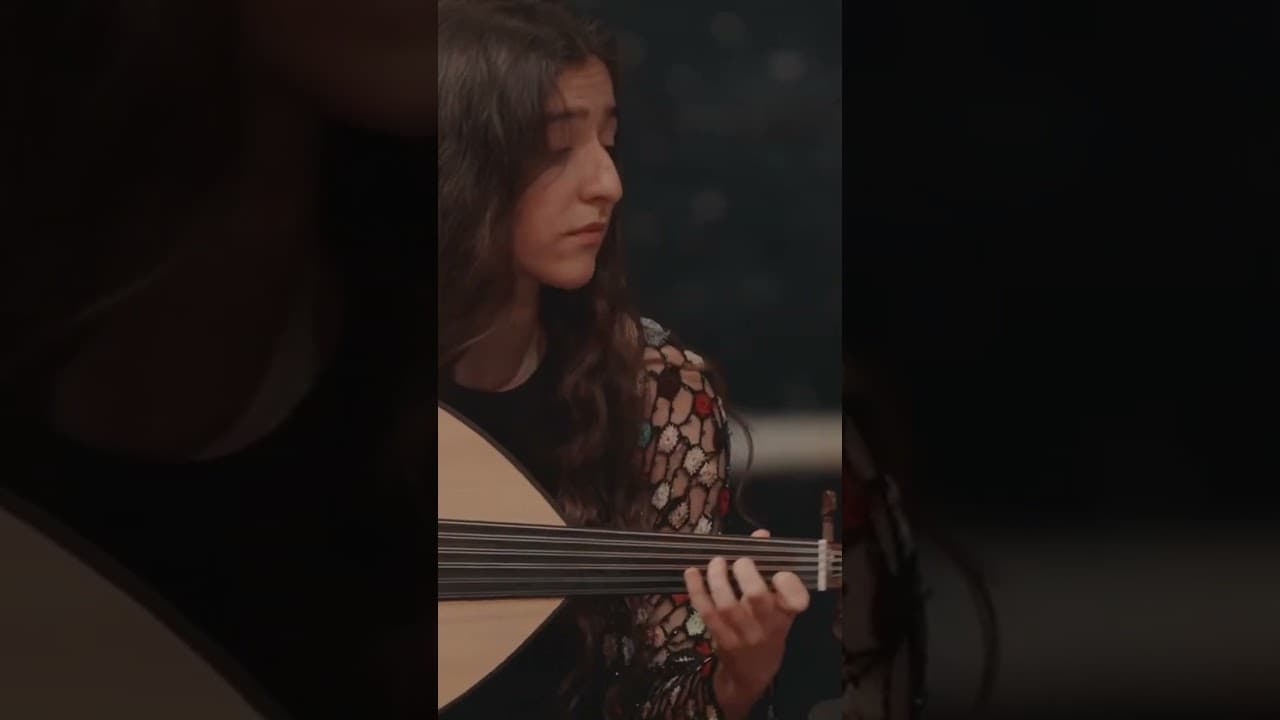
Elaha Soroor
Singer, Vocalist
Origin
Afghanistan (Hazara)
Elaha Soroor (الهه سرور), also known as Elahe Soroor, is an accomplished Afghan Hazara singer who has gained recognition for her powerful and emotive interpretations of traditional Hazara music. Her collaboration with Roots Revival has brought greater visibility to Hazara musical traditions, which have historically been underrepresented in global music scenes.
Elaha Soroor (الهه سرور), also known as Elahe Soroor, is an accomplished Afghan Hazara singer who has gained recognition for her powerful and emotive interpretations of traditional Hazara music. Her collaboration with Roots Revival has brought greater visibility to Hazara musical traditions, which have historically been underrepresented in global music scenes.
Musical Background
Elaha Soroor specializes in Hazara folk music, a rich tradition from the Hazarajat region of central Afghanistan. Her performances often feature traditional Hazara songs that address themes of love, loss, displacement, and cultural identity. Her vocal style is characterized by its emotional depth and connection to the poetic traditions of Hazara culture.
Collaboration with Roots Revival
Soroor's most significant collaboration with Roots Revival came in Series 6, which was entirely dedicated to Hazara music. This series featured a full concert performance showcasing traditional Hazara songs, including:
- "Gole Sadbarg" (گل صدبرگ) - A traditional Hazara song
- "Rafiq Jan" (رفیق جان) - One of her most popular performances
- "Daido" (دیدو هزارگی) - A traditional Hazara piece performed as an acapella
- "Chashme Khomari Dari" (چشم خماری داری) - A traditional Hazara song
- "Chashmane Maste Yaram" (چشمان مست یارم) - Another traditional Hazara piece
Cultural Significance
Hazara music, like many Afghan musical traditions, has faced challenges due to political instability and cultural suppression. Elaha Soroor's work with Roots Revival helps preserve and promote these traditions, bringing them to international audiences while maintaining their authentic character.
Her performances often incorporate traditional Hazara instruments and musical modes, creating a bridge between the rich heritage of Hazara culture and contemporary global music audiences. Through her collaboration with Roots Revival, she has helped document and share Hazara musical traditions that might otherwise be at risk of being lost.
Performance Style
Soroor's vocal performances are noted for their emotional intensity and technical skill. She demonstrates a deep understanding of Hazara musical traditions while also bringing her own interpretive voice to the material. Her work often addresses themes relevant to the Hazara community, including experiences of displacement, cultural preservation, and the search for identity.
Videos Featuring Elaha Soroor
Roots Revival videos that Elaha Soroor performs in